What Should You Do If Your Bank Suffers A Data Breach?
Updated: 24-10-2026 at 3:30 PM


1k
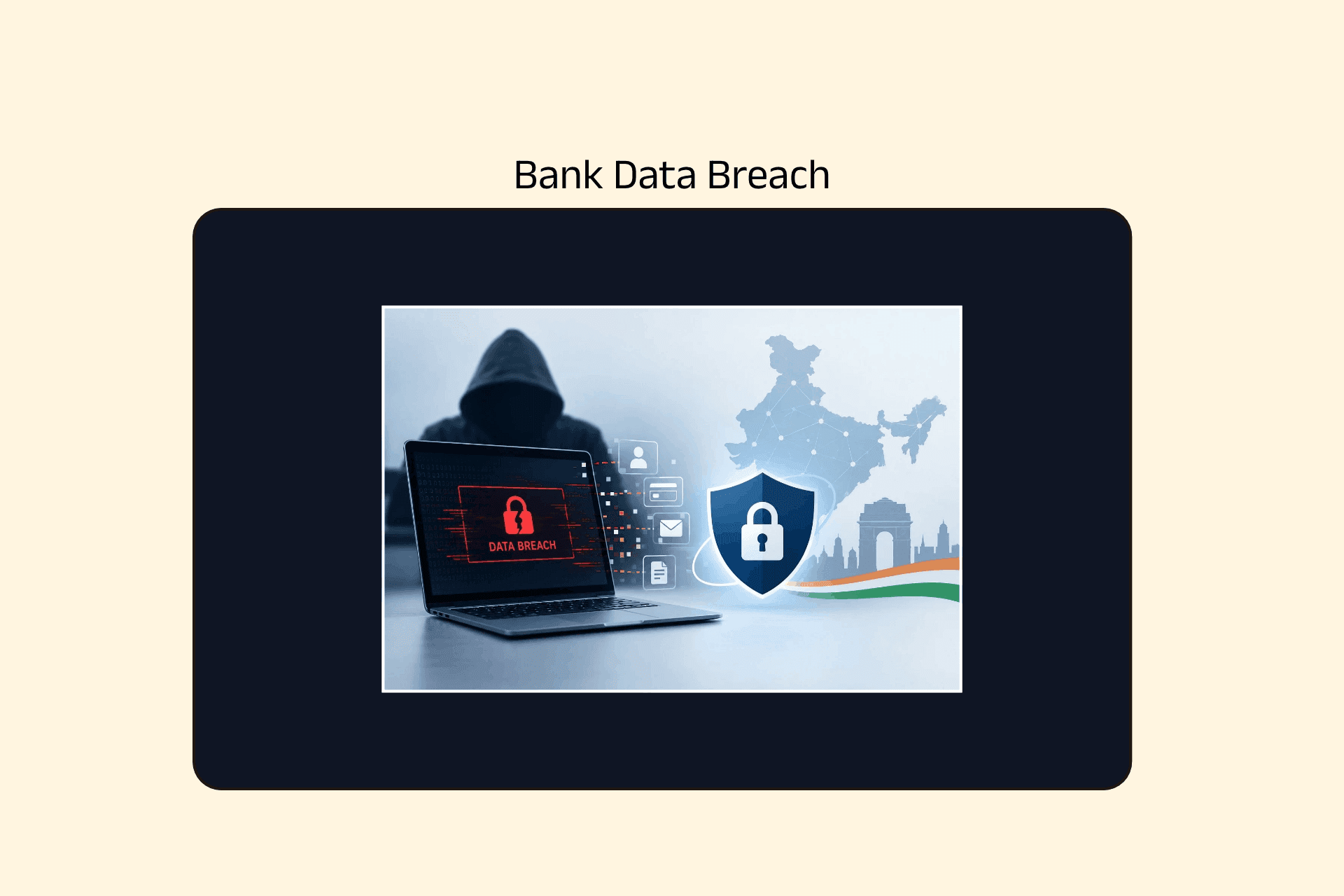
A bank data breach can expose customers’ personal and financial information, increasing the risk of phishing scams, identity theft and online fraud. Understanding how data breaches happen and what steps to take can help you protect your bank account and sensitive information.
What Is A Bank Data Breach?
A bank data breach occurs when someone gains access to, views, or steals bank or customer information without permission. It may contain personal names, telephone numbers, e-mails, personal identification, and loan information.
Being breached doesn't necessarily mean that funds were stolen or that a bank's entire operation was compromised. But criminals can use exposed information to pose as a bank official and send legitimate-looking messages, or to trick customers into revealing sensitive information.
How Does a Bank Data Breach Happen?
Although such incidents don’t occur intentionally as with customers, banks are also victims of such misleading fraud. However, common reasons for data exposure in a bank include:
-
Cyberattacks: Hackers use software weaknesses or login information to get access to sensitive information.
-
Employee Account Compromise: Access to employee emails or internal systems is achieved via stolen credentials or phishing.
-
Third-Party Security Gaps: Customers' records could be exposed if the security of service providers dealing with banking information is weak.
-
Human Error: Sensitive data can be exposed if not shared correctly, not configured properly in the storage system, or due to accidental disclosure.
-
Phishing Scams: Tricks customers/employees into giving out their password, OTP and other private information.
Have Any Banks Reported Data Exposure Incidents?
Let's look at a few examples of customer data that have been leaked through various systems and were mentioned publicly.
State Bank Of India (October 2026)
SBI reported a suspected data exposure after identifying 3,897 customer records containing personal information among records found on the dark web. The bank began an inquiry to determine where and how much of the exposure had occurred.
Bank of Baroda (July 2026)
The incident began with the compromise of an employee's email account, the bank confirmed in a statement. It said that its “core banking system” was not affected.
ICICI Bank (April 2024)
A technical error incorrectly mapped around 17,000 newly issued credit cards to the wrong users in its digital channels. The bank reported blocking the cards and replacing them.
These incidents provide examples that data exposure can happen via various vulnerabilities. The information disclosed, and any resulting customer impact,t differs in every instance.
What Risks Does A Bank Data Breach Create For Customers?
Exposed personal data may lead to more fraud even if the account balances are safe.
-
Targeted Scams: Leaked information can be used in phishing email messages to tell people they have account problems or that their transactions are suspicious.
-
Fake Bank Calls: Fraudsters might pretend to be authentic when requesting an OTP, PIN or password using personal information.
-
Identity Theft: If exposed, identities can be used to impersonate customers or make fraudulent applications.
-
Unauthorised Transactions: Criminals may be able to obtain further credentials and attempt to make payments or access accounts.
-
Further Data Misuse: Criminals may combine information from different sources to make scams more convincing.
Don't assume that all the records that have been exposed are being used inappropriately. The threat level will vary based on the information accessed or whether the criminals gained additional access.
How Can You Protect Your Bank Account After A Data Breach?
When a Breach occurs at the bank, the following queries gain most of the human focus. In the event of a worst-case scenario, read the following points to ensure that the right action is taken:
1. How to know if information has been exposed?
Visit your bank's official website, official mobile app or official customer contact info for updates. Call the bank to find out if any information has been impacted or if you need to take particular steps to protect yourself. Ignore links or phone numbers that people have sent you without your permission.
2. Should You Change Your Banking Password?
If you believe that your password has been revealed, change it right away. If you have the same password for your email or other account, change those passwords as well. Use different passwords and add extra security if possible.
3. How Can You Identify Unauthorised Transactions?
Check your statements and alerts on your bank often. Look for unfamiliar payments, unexpected password-reset messages or changes to your account details. If you notice an unusual pattern, please report it to your bank right away.
4. How Can You Protect Yourself from Fake Bank Calls?
Do not give your OTP/ATM password, CVV or bank password to a caller or message sender. Don't open links that don't seem familiar or respond to callers who ask for software that allows someone to access your assets remotely.
5. How Can You Secure Your Mobile Number and Email?
Keep your email address and registered cellphone number safe, as these will be verified for your account and used to alert you about your transactions. Implement in-depth security and strong passwords. If your phone suddenly stops receiving network service for no apparent reason, call your telecom company to report it as a possible SIM-related fraud.
6. Where to Report Banking or Cyber Fraud?
If there is an unauthorised transaction, notify your bank at once and report the matter. You can also contact the national cyber financial fraud helpline at 1930 or submit a complaint on the National Cyber Crime Reporting Portal in India.
Maintain transaction references, messages and complaint numbers as evidence. Report the fraud as soon as you have evidence it has occurred, because an earlier complaint could have an impact on any action you can take.
What Should You Do If Your Data Is Leaked But Your Money Is Safe?
Don't panic, but don't ignore the incident. Verify what information may have been shared, follow the directions given by your banks and monitor for suspicious calls and messages.
If these are any card details or login information that could be compromised, be sure to call your bank about the possible action you should take to either block the card or to reset your login. Maintain a close watch on your account, even though your balance stays the same, as leaked personal information could be used in subsequent scams.
How Can You Stay Safe After A Bank Data Breach?
The rate at which a bank data breach exposes personal information does not affect people's account balances instantly. Customers can help minimise the risk by protecting their account passwords, closely watching transactions, avoiding unfamiliar communications, and reporting any fraud in a timely ma. Never entertain messages from banks that do not come from official sources, be they emails or calls.
Stay informed and protect yourself from online banking fraud with Jaagruk Bharat. Explore our latest updates on cybersecurity, customer rights and government services to make safer, more informed decisions.
0

0
1k
0
0
1k Views
0

No comments available


