Facts, Rules, And Regulations About The Indian Flag That You Should Know This Republic Day
Updated: 14-10-2026 at 12:30 PM


2k
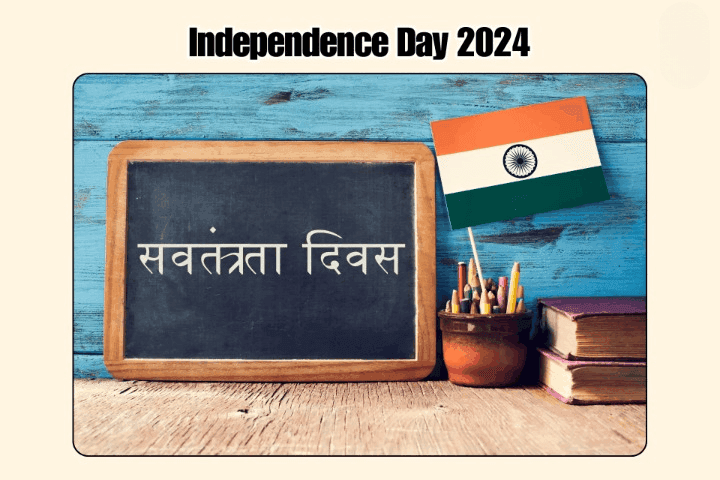
The Indian tricolour is the pride of our nation. It depicts different values and meanings through its three colours and the Ashok Chakra. While it is a moment of utmost joy for every Indian to hoist and see the National flag of India, certain rules and regulations govern the flag and related activities.
While occasions like the Republic Day and the Independence Day evoke a special sense of patriotism within the hearts of the Indian citizens, it is equally important for all of us to be aware of the rules concerning respecting the flag. In light of the ongoing ‘#HarGharTiranga’ campaign launched by the Government of India, the Indian citizens are encouraged to bring the flag home, hoist it with pride, and treat it with respect as respect is not an optional component but a legal one.
Read the article to learn more about the details of the Flag Code of India, ranging from latest announcements and the campaign to facts about indian flag and indian flag rules and regulations so that we can celebrate our national events while adhering to the prescribed rules for hoisting indian flag.
Overview
The table below summarises some key details about the Indian national flag rules that every Indian citizen should know.
| Law concerning | The Indian Flag |
|---|---|
| Law | Flag Code of India, 2002 |
| Article | Respect the flag as per Article 51A(a) |
| Flag adopted in the year | 22 July 1947 |
| Indian flag colours meaning | Saffron represents courage and sacrifice, white is for peace, and the green symbolises growth and prosperity |
| What are the updated rules for hoisting Indian flag? | Can be hoisted during the day and the night |
| Allowed material for flags | Khadi, Silk, or Cotton |
| Campaign | Har Ghar Tiranga |
Read More: Swanirbhar Naari Complete Guide With Application, Eligibility, & Benefits
Republic Day 2026
The 26th of January is not just any other day, but the day that India celebrates as its Republic Day. Republic Day 2026 will mark the 77th anniversary of India becoming a sovereign and democratic country since 1950. This day is grandly celebrated by all the Indian nationals, and like every year, there will be a parade at the Kartavya Path, New Delhi, which will represent the country's cultural heritage and diversity, technological progress, and, of course, the strength of the defence forces.
Republic Day is much more than an occasion or an anniversary, but it is a reminder that fighting for one’s deserved rights never goes in vain. With the arrival of this day, we also remember our great freedom fighters who made this day possible when the Constitution came into existence. It is not just a celebratory event but a day to reflect upon our duties and responsibilities toward the prosperity of the nation and to think about more ways we can contribute to India’s sustainable growth.
What Are The Recent Announcements Regarding National Flag?
The government of India recently announced that there is a change in the rules for hoisting Indian flag. Unlike before, the Indian National Flag can now remain hoisted throughout the night. Earlier, the flag could have been hoisted between sunrise and sunset only.
The government has imposed a condition on this new amendment, which says that the flag should be in the open and must have been hoisted by a member of the public.
The government had also amended the Flag Code of India in the past and allowed the use of machine-made and polyester flags. In light of the ‘Har Ghar Tiranga’ campaign, the government has brought amendments to the Flag Code of India, 2002.
What Is The Har Ghar Tiranga Campaign?
To invoke the feeling of patriotism and to celebrate the 75th year of India’s Independence under the Azadi Ka Amrit Mahotsav celebrations, the government of India initiated and introduced the Har Ghar Tiranga Campaign. Through this campaign, the government has urged all Indians to bring the national flag home and hoist it at their homes to celebrate Indian Independence with nothing but pride and honour.
Hosting the national flag of India in one’s familiar spaces, like homes, offices, and other such public places imbibes a renewed sense of patriotism in the hearts of Indian nationals. This campaign is not just a symbolic expression, but it aims to foster and promote a sense of responsibility toward the nation’s growth and development in the minds of the people.
Also Read: National Institution for Transforming India (NITI Aayog) - Shaping India’s Development Future
What Are Some Facts About The Flag Code Of India?
The Flag Code of India, 2002, is divided into three parts. Those three divisions are laid down below in brief points for one’s reference:
-
General description of the tricolour.
-
Rules on the display of the flag by public and private bodies and educational institutions.
-
Rules for the display of the flag by governments and government bodies.
The code specifies the respect and dignity with which the flag must be treated. The flag can not be used for commercial purposes or used as a decorative product. The Code also says that the flag must not be dipped in salute to any person or thing.
The flags that are to be used for official purposes must be used as per the specifications laid down by the Bureau of Indian Standards and must also bear their authorisation mark.
There are some other significant rules related to the national symbols of India. i.e., the Indian Flag that Indian citizens should be aware of. The Indian flag do’s and don’ts are as follows:
-
The Emblems and Names (Prevention of Improper Use) Act, 1950, restricts the use of the national flag, the coat-of-arms used by a government department, the official seal of the President or Governor, the pictorial representation of Mahatma Gandhi and the Prime Minister, and the Ashoka Chakra.
-
The Prevention of Insults to National Honour Act, 1971, prohibits insulting the national flag, national map, or national anthem in any manner.
-
According to Article 51A (a) of the Constitution of India, every citizen of India must abide by the Constitution and respect its ideals and institutions, the National Flag and the National Anthem.
What Is The Indian Flag History And Facts?
The history of the Indian National Flag is rich and old. The flag was first designed and hoisted before independence. It was chosen as a symbol of the ideals of liberty and freedom. The first national flag, consisting of three horizontal stripes of red, yellow, and green, was hoisted on 7th August 1906, at the Parsee Bagan Square, near Lower Circular Road, in Calcutta
In 1921, freedom fighter Pingali Venkayya met Mahatma Gandhi and proposed a basic design of the flag, which consisted of two red and green bands.
After undergoing several changes, the Tricolour was adopted as our national flag at a meeting of the Congress Committee in Karachi in 1931. Finally, the current National Indian Flag was adopted on 22nd July 1947 in a meeting of the constituent assembly.
Read More: Namo Drone Didi Scheme 2025- Check Launch Date, Eligibility & Online Apply Link
Conclusion
As proud and responsible citizens, we must respect our nation in every way possible. The Indian flag is an embodiment of India's freedom struggle and rich diversity, and it deserves the utmost respect. Respecting the flag is not simply a legal obligation but a moral one as well that applies to all Indian citizens, irrespective of their age, gender, religion, socio-economic background, or the state they reside in.
As responsible citizens of the nation of India, it is our duty to maintain the dignity of such important national symbols of India. The occasion or the place does not matter, but our actions always do, and hence, we request you to realise this fact and ensure to honour the national flag of India, of your nation, everywhere and every time.
Stay updated with Jaagruk Bharat to get the latest information on government schemes and more, and reach out to us via our community page if you have any questions or want to share your thoughts.
Frequently Asked Questions
0

0
2k
0
0
2k Views
0

No comments available


