New FASTag Rule Started From Aug 1, 2024
Updated: 10-10-2026 at 8:18 AM


2k
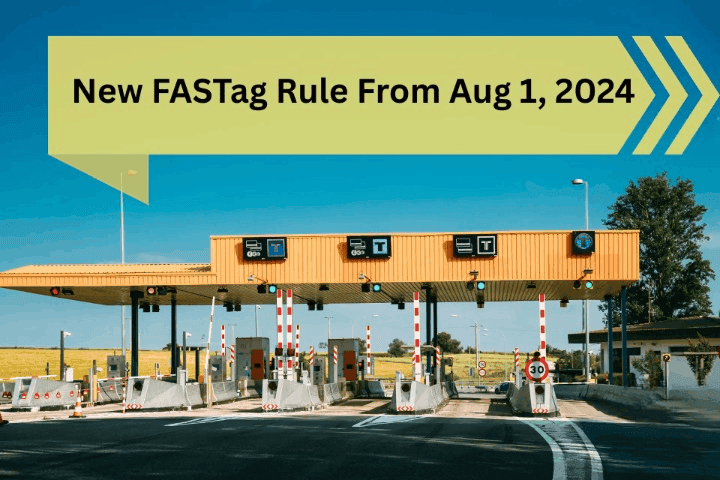
NHAI FASTag was introduced as a modern replacement for the traditional toll collection system in India. Earlier, travellers had to stop at toll plazas and pay toll tax in cash, which often led to long queues, traffic congestion, fuel wastage, and unnecessary delays. Manual tolling was also prone to human errors, cash-handling issues, and frequent system glitches that caused inconvenience to commuters.
To overcome these challenges, FASTag was introduced in 2014 on a pilot basis in selected regions under the supervision of NHAI FASTag infrastructure planning. By 2016, it had expanded to nearly 247 toll booths across national highways. Over time, FASTag became mandatory for vehicles travelling on national highways, transforming toll collection into a faster, contactless, and more transparent process. Today, FASTag plays a crucial role in India’s digital transport and highway infrastructure and continues to evolve with the FASTag new rules 2026 already being discussed at policy levels.
Overview
The table below provides a quick snapshot of FASTag, its purpose, and how it works, helping readers understand the system at a glance.
| Particulars | Details |
|---|---|
| Service Name | FASTag |
| Introduced In | 2014 |
| Implemented By | National Highways Authority of India (NHAI) |
| Operating Authority | National Payments Corporation of India (NPCI) |
| Purpose | Electronic toll collection |
| Technology Used | RFID (Radio Frequency Identification) |
| Mandatory For | All four-wheelers and above |
| Mode of Payment | Linked bank account, wallet, or prepaid account |
| Coverage | National highways, expressways, select state highways |
| Key Benefit | Cashless, faster toll payments |
Latest Updates
In recent developments, the National Payments Corporation of India (NPCI) announced revised FASTag compliance norms aimed at strengthening data accuracy, improving system security, and ensuring smoother toll operations nationwide. These changes are part of the government’s broader push towards digitisation, transparency, and enhanced road user experience.
According to official updates, FASTags that do not comply with the revised framework may face deactivation after the deadline. Discussions around New FASTag rules, Annual charges, New FASTag recharge rules, and penalties such as New FASTag rules 3,000 rupees have raised awareness among users, making early compliance essential.
What Are The New FASTag Rules 2024?
The National Payments Corporation of India recently announced new FASTag rules 2024 that will become applicable from August 1, 2024. These rules are expected to improve transparency in the current system. Let us look at what these rules are!
Rules For FASTag Users
The points below explain the mandatory steps FASTag users must follow to remain compliant:
-
FASTag users holding tags issued between 3 to 5 years ago must complete the Know Your Customer (KYC) process by 1 August 2024. Failure may lead to penalties linked to the New FASTag rules 3,000 rupees.
-
FASTags that are older than 5 years must be replaced with new tags.
-
FASTags must be correctly linked to the vehicle’s registration number and chassis number by the deadline.
-
New vehicle owners must update their registration details within 90 days of purchase to avoid violations under the New FASTag recharge rules.
Failure to comply with these rules may lead to suspension or deactivation of the FASTag, forcing users to pay toll charges in cash or face penalties.
New FASTag Rules For Commercial Vehicles
Special emphasis has been placed on the New FASTag Rules for commercial vehicles, as freight and transport vehicles contribute significantly to highway traffic. Commercial vehicle owners must ensure:
-
Accurae fleet-level KYC updates.
-
Correct vehicle classification to avoid overcharging.
-
Timely FASTag replacement to prevent fines, including possible penalties under New FASTag rules 30,000 rupees in repeated violation cases.
These measures aim to bring uniformity and accountability in commercial toll payments.
Also Read: Five-Year-Old FASTags To Be Replaced, Re-KYC Needed After 3 Years
Rules For FASTag Service Providers
FASTag issuers and service providers are also required to follow stricter compliance measures. These include:
-
Verifying and updating databases with accurate and authentic vehicle details.
-
Uploading clear photographs of vehicles from all sides for verification purposes.
-
Ensuring that every FASTag is linked to a valid and active mobile number to facilitate alerts, updates, and customer communication.
These steps aim to reduce misuse, prevent fraud, and strengthen the FASTag ecosystem ahead of FASTag new rules 2026.
Why Were These New Rules Introduced?
The new FASTag rules are not just procedural updates; they are designed to address several long-standing issues in the system. Over the years, authorities identified cases of outdated vehicle data, inactive tags, and incorrect KYC information, which affected toll operations and revenue collection.
By enforcing updated KYC norms, replacement timelines, and stricter penalties like New FASTag rules 3,000 rupees start date-linked fines, NPCI aims to ensure a reliable and secure tolling system for millions of users
How To Comply With These Rules?
Compliance with these rules is easy and can be done from the comfort of your home using the service provider’s app. In case you do not have access to that, visit the service providers near toll booths or their offices in your locality. You can also seek help from your service provider through their helpline portal.
-
The users must check if their FASTag is older than 5 years. In case yes, they must replace it.
-
The users must update their information on the KYC process given by the service provider.
-
Ensure your FASTag is linked to your mobile number.
-
Verify recharge limits under the New FASTag recharge rules to avoid transaction failures.
What Happens If You Do Not Comply?
Non-compliance with the new FASTag rules can lead to several inconveniences, including:
-
Deactivation or suspension of FASTag.
-
Payment issues at toll plazas.
-
Requirement to pay double toll charges in cash lanes.
-
Possible fines under the New FASTag rules are 30,000 rupees for repeated violations.
To avoid these issues, users are strongly advised to update their FASTag details before the deadline.
Benefits Of FASTag For Road Users
FASTag has significantly transformed highway travel in India. Some of its key advantages include:
-
Reduced waiting time at toll plazas.
-
Cashless and contactless payments.
-
Lower fuel consumption due to fewer stops.
-
Automatic transaction records for expense tracking.
-
SMS alerts and digital statements for transparency.
These advantages make FASTag indispensable for both personal and commercial users under NHAI FASTag operations.
FASTag And The Future Of Toll Collection
FASTag is also paving the way for advanced tolling systems such as GNSS-based toll collection, where charges may be calculated based on distance travelled rather than fixed toll booths. While FASTag remains the backbone today, upcoming reforms under the FASTag new rules 2026 may further refine toll pricing, recharge structures, and compliance mechanisms.
Conclusion
FASTag has revolutionised toll collection in India by making highway travel faster, smoother, and more transparent. With the introduction of New FASTag rules, Annual charges, stricter KYC norms, and compliance-based penalties like New FASTag rules 3,000 rupees, users must stay updated and proactive.
FASTag services are easily available through banks and popular payment apps such as Google Pay, Paytm, Airtel, and others. By complying with the updated rules now, travellers can continue to enjoy seamless and stress-free highway journeys across India.
Get the latest updates on government schemes and policies with Jaagruk Bharat. Join India's biggest Jaagruk Bharat community. Share your thoughts, questions, and favourite topics with us.
Frequently Asked Questions
0

0
2k
0
0
2k Views
0

No comments available


