India To Launch GPS-Based Toll Collection System From May 1, 2025
Updated: 21-09-2025 at 7:56 AM


2k
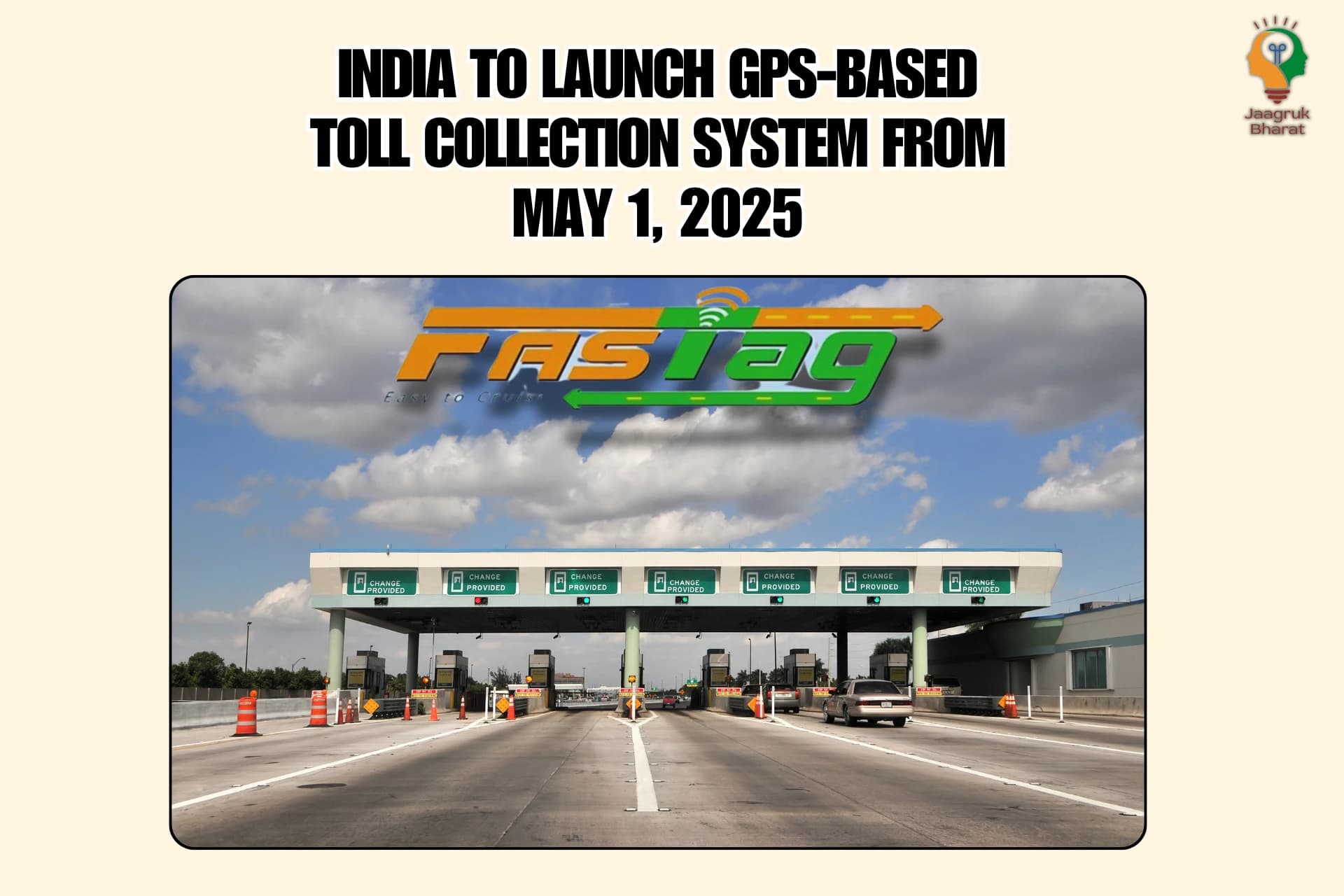
The Indian government will introduce GPS-based toll collection technology, which will begin operations on May 1, 2025, for highway travel. The Ministry of Road Transport and Highways launched this initiative that plans to overcome the FASTag system weaknesses by implementing a tolling system based on GPS technology. GNSS technology enables the new system to revolutionise toll collection processes, which results in enhancing highway travel experiences throughout national routes.
Transition From FASTag To GPS-Based Tolling
The FASTag system, launched in 2016, implemented RFID technology to allow contactless toll payment that would eliminate cash as a payment method at toll points. FASTag implementation created better conditions, but technical problems and long queues, and user abuse demonstrated the necessity to develop superior solution methods. The upcoming GPS-based tolling system eliminates toll booths to calculate fair tolls from actual distance travelled, making the process more efficient.
How The GPS-Based Toll System Works?
The system works with a series of components that deliver the new toll collection functionality.
-
On-Board Units (OBUS): Every vehicle will receive On-Board Units (OBUS) utilising GNSS technology to track highway movements.
-
Distance Calculation: The system determines the precise toll road distance for moving vehicles throughout their journeys.
-
Automatic Dedication: System automation deducts toll fees directly from drivers through account or digital wallet connections based on their travelled distances.
Uninterrupted travel becomes possible because the system does not require vehicles to stop for checking toll payments at plazas.
Benefits Of The GPS-Based Tolling System
A GPS-based toll collection system brings multiple benefits to users as follows:
-
Fair Toll Charges: Drivers receive their actual drive distance cost, so all road users are treated fairly.
-
Reduced Congestion: Taking away toll plazas makes driving on highways more consistent without traffic jams.
-
Enhanced Transparency: The system provides live tracking data with automatic payments to block human mistakes and dishonest behaviour in toll operations.
-
Environmental Impact: Better traffic moves vehicles faster, which decreases their pollution footprint for sustainable environments.
Implementation And Phased Rollout
The National Highways Authority of India (NHAI) controls the setup process of the GPS-based tolling solution. The project rollout takes place step by step.
-
Phase 1: A new GPS tolling system starts by implementing it in commercial trucks and buses first.
-
Phase 2: Private automobile drivers will begin to use the system in multiple stages following Phase 2.
By moving from one group to the next, NHAI solves technical problems before introducing GPS-based tolling to all road users.
Conclusion
Using GPS technology makes a major improvement to how India manages its roads. Using modern technology helps the initiative make transportation flow better and creates a transparent tolling process for everyone who uses highways. The system will change driving on highways while following national plans to develop our present facilities and safeguard our environment.
Get the latest updates on government schemes and policies with Jaagruk Bharat. Join India's biggest Jaagruk Bharat community. Share your thoughts, questions, and favourite topics with us.
0

0
2k
0
0
2k Views
0

No comments available


