What Does Gratuity Mean? Who Are Eligible For It?

Updated: 01-01-2026 at 3:30 PM


1k

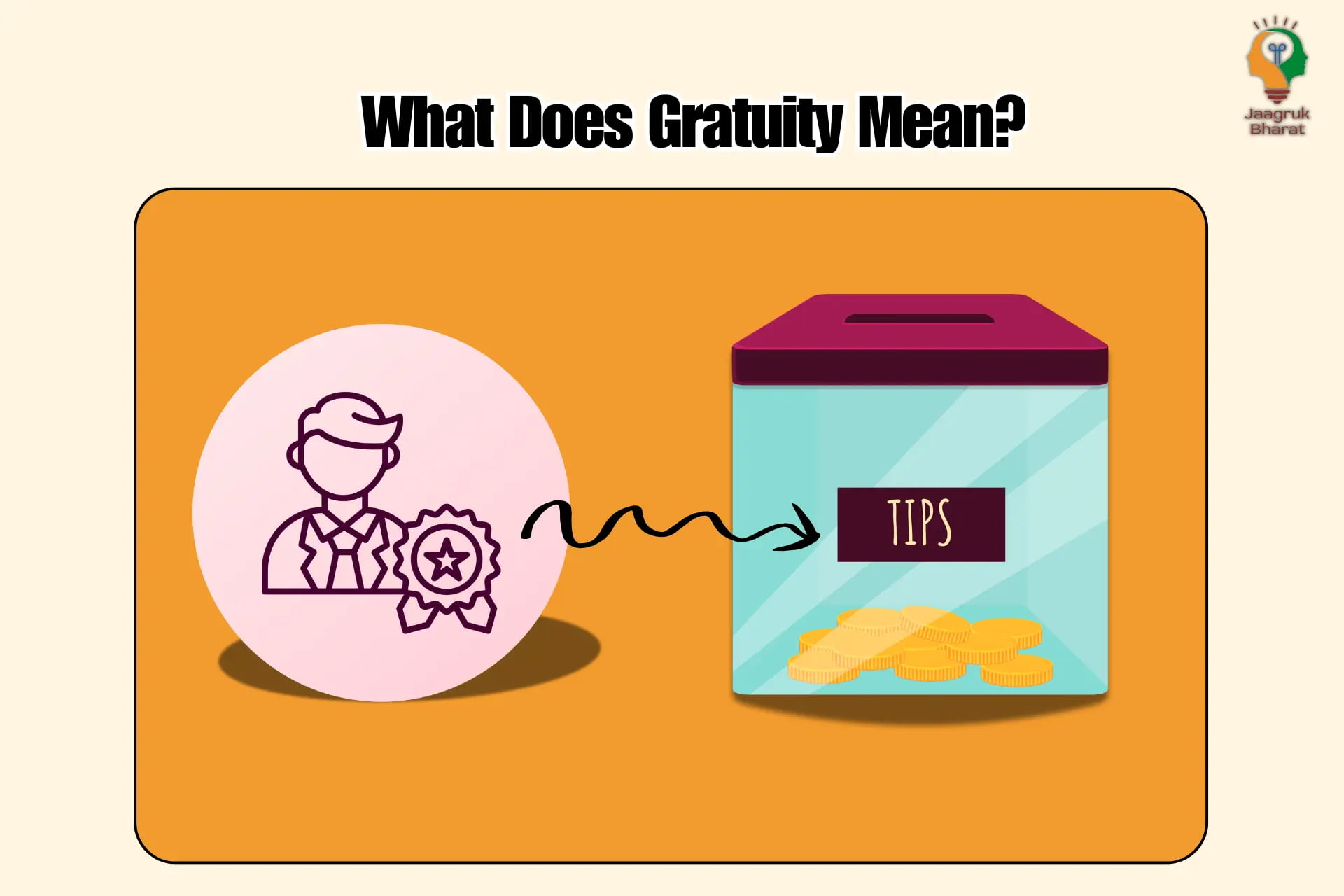



To acknowledge years of service and provide monetary support after employment ends, employers offer gratuity as a statutory benefit governed by the Gratuity Act.
Employees spend a significant part of their lives contributing to the growth, productivity, and stability of organisations across various sectors. Their efforts not only help businesses expand but also support the overall economic development of the country. As employees approach retirement or leave long-term employment, financial security becomes a key concern.
In many factories, private establishments, and small workplaces, gratuity is paid by the employer as a mark of appreciation for an employee’s dedication and loyalty. Unlike performance-based incentives, gratuity is linked to the length of service and becomes a legal entitlement once certain conditions are met under the Gratuity Act, 1972 eligibility rules. It serves as a financial cushion for employees during retirement, resignation, disability, or in unfortunate cases, death. Understanding gratuity provisions is essential for both employees and employers to ensure compliance with labour laws and safeguard employee welfare.
What Is Gratuity?
Gratuity is like an amount expressing ‘gratitude’ or ‘thanks’ to an employee for their contribution to the organisation. The Payment of Gratuity Act of 1972 regulates the payment of gratuities. It also determines how the amount is to be calculated and disbursed. The Act also provides penalties for employers who fail to follow its provisions, making the Gratuity Act a crucial social security law.
Employees and employers can also refer to the Gratuity act pdf for an official understanding of legal provisions, amendments, and compliance requirements.
Read More: EPS Withdrawal Rules 2024: Key Changes and How They Benefit You
What Are The Components Of Payments Of Gratuity Act?
The Payments of Gratuity Act has a wide scope, and it deals with all issues that may arise about the payment of gratuity. It is a social as well as public welfare legislation which caters to the needs of employees as well as employers.
The Payments of Gratuity Act, 1972, deals with the following:
Applicability of the Act to different organisations
The Act specifies the types of establishments to which it applies. It covers factories, mines, oilfields, plantations, ports, railways, shops, and private establishments employing ten or more workers. Once covered, the organisation continues to remain under the Act even if employee strength later falls below ten, as clarified in the Gratuity act 2022 updates.
Eligibility criteria for receiving gratuity in India
The Act clearly defines Gratuity Act, 1972 eligibility, stating that an employee must generally complete five years of continuous service. However, this condition is relaxed in cases of death or permanent disability, ensuring financial protection for employees and their families.
Authorities regulating and controlling gratuity concerns
To ensure proper implementation, the Act appoints controlling authorities responsible for handling disputes related to gratuity payments. These authorities safeguard employee interests under the Payment of Gratuity Act, 1972 with latest amendments pdf.
Calculation and determination of gratuity amount
The Act prescribes a uniform formula for gratuity calculation based on salary and years of service. Employees often use a Gratuity calculator to estimate their payable amount accurately.
Nomination by the employee
Employees must nominate beneficiaries to ensure smooth transfer of gratuity benefits in case of death. Nomination rules are an important compliance requirement under the Gratuity Act.
Inspectors and their powers
Inspectors are empowered to examine records, conduct audits, and ensure employers comply with gratuity provisions, especially after the Gratuity Act new Amendment proposals.
Recovery of gratuity
If an employer fails to pay gratuity within the prescribed time, the Act allows employees or their nominees to recover the amount through legal mechanisms. This provision ensures that gratuity payments are not delayed or denied unfairly.
Penalties in cases of non-compliance
Non-payment or delayed payment can attract fines or imprisonment, reinforcing the seriousness of compliance under the Payment of Gratuity Act, 1972 Amendment 2023.
What Are The New Gratuity Rules, 2024?
In 2024, the Government of India proposed changes under the Gratuity Act new Amendment aligned with four upcoming labour codes. These reforms aim to enhance post-retirement security.
-
Organisations must ensure that at least 50% of an employee’s salary constitutes basic pay. Employers may need to restructure the salary package when an Employee’s basic pay falls below 50% to adhere to new gratuity rules under the four labour codes. An employee’s basic pay increase will result in a proportionate rise in gratuity payments.
-
Salaries will exclude bonuses. Also, pension contributions, provident fund contributions, house rent allowances, conveyance allowances, gratuities and overtime will not be included in the salary amount.
Researchers and experts are suggesting that these changes will impact the structure of allowances provided by firms and decrease the take-home salary of an employee. The rules focus on providing extra security to retired people after their retirement. They are yet to be notified.
What Is The Eligibility Criteria For Receiving Gratuity?
The eligibility criteria for an employee to receive gratuity in India are given below:
-
Attaining of age of retirement.
-
Retirement from service.
-
Minimum 5 years of service with the employer.
-
In case of disability or critical illnesses, regardless of the completion of 5 years.
-
Termination without employee fault.
-
In the event of the death of an employee, gratuity becomes receivable by family members.
The eligibility criteria for organisations is
-
10 or more employees in the preceding 12 months.
-
if the number of employees becomes less than 10 after the Gratuity Act becomes eligible for the first time, Gratuity will still be applicable.
Organisations include factories, mines, oil fields, plantations, ports, railways, and motor transport undertaking shops. It also includes private establishments. These provisions are clearly outlined in the Gratuity Act, 1972 eligibility rules.
How Is Gratuity Amount Calculated?
Gratuity is calculated differently for employees covered under the act and those not covered by it.
For those covered under the Act, gratuity is calculated using the following technique or formula:
-
(15 x Years Worked x Last Received Salary) / 26
-
The Last Received Salary comprises Basic Salary and Dearness Allowance (DA). A year of work is counted after six months and more of service.
For those not covered by the Payments of Gratuity Act, it is calculated using the following formula:
-
(15 * Last Salary Drawn in Last 10 Months * Number of Years Worked) / 30
-
The Last Salary Drawn includes Basic Salary and Dearness Allowance (DA and commissions. A full year of work is counted upon completion of each year.
Employees often rely on an online Gratuity calculator for quick and accurate estimates.
Also Read: Non-Withdrawal Of Money Process From PPF Account After Maturity
Maximum Limit On Gratuity Payment
Currently, the maximum gratuity payable under the Act is ₹20 lakh. This cap applies to private-sector employees covered under the Act. Government employees follow separate rules.
The ceiling has been revised multiple times through amendments, including the Payment of Gratuity Act, 1972 Amendment 2023, to reflect inflation and changing economic conditions.
Taxation of Gratuity
Gratuity tax treatment depends on employment type:
-
Government employees: Fully tax-exempt
-
Private employees covered under the Act: Tax exemption up to ₹20 lakh
-
Private employees not covered: Exemption based on calculated limits
Employees should consult tax professionals or refer to the Gratuity act pdf for detailed tax provisions.
Nomination Rules Under the Gratuity Act
Employees must nominate beneficiaries after completing one year of service. Nomination ensures smooth transfer of gratuity benefits in case of death.
-
Nomination must be updated after marriage
-
Family members receive priority
-
Nomination forms are submitted to employers
Employer Obligations and Penalties
Employers must:
-
Pay gratuity within 30 days of it becoming payable
-
Obtain insurance or create a gratuity fund
-
Maintain records and submit returns
Failure to comply can result in penalties, fines, or imprisonment under the Gratuity Act.
Conclusion
Gratuity is more than a statutory payment; it is a recognition of an employee’s lifelong dedication. Governed by the Gratuity Act, it plays a vital role in ensuring financial stability after employment ends. With reforms proposed under the Gratuity Act new Amendment, the government aims to strengthen retirement security.
Employees should stay informed about eligibility, taxation, and calculation methods, while employers must ensure strict compliance. Gratuity remains a cornerstone of India’s social security framework, helping retired individuals live with dignity and financial confidence.
Gratuity not only rewards loyalty but also helps retired individuals lead a dignified and secure life after years of contribution to the workforce.
Get the latest updates on government schemes and policies with Jaagruk Bharat. Join India's biggest Jaagruk Bharat community. Share your thoughts, questions, and favourite topics with us.
Frequently Asked Questions
0

0

1k

0
0
1k Views
0

No comments available


Our Company
Home
About
T&C
Privacy Policy
Eula
Disclaimer Policy
Code of Ethics
Contact Us
Cancellation & Refund Policy
Categories
Women
Insurance
Finance
Tax
Travel
Transport & Infrastructure
Food
Entertainment
Communication
Government ID Cards
E-commerce
Traffic guidelines
Miscellaneous
Housing and Sanitation
Sports
Startup
Environment and Safety
Education
Agriculture
Social cause
Employment
Disclaimer: Jaagruk Bharat is a private organization offering support for documentation and government scheme access. We are not affiliated with any government body. Official services are available on respective government portals. Our goal is to make processes easier and more accessible for citizens.
All Copyrights are reserved by Jaagruk Bharat